The Simple Difference
Dark romance is romance that enters dangerous emotional territory: obsession, power, manipulation, secrets, taboo, trauma, fear, longing, and morally complicated desire. Literary dark romance keeps those elements, but handles them with closer attention to language, psychology, and consequence.
For the broader genre definition, read what does dark romance mean in books first; this guide narrows that definition into the literary version Trap of Desire belongs to.
In other words, dark romance asks: what happens when love becomes dangerous? Literary dark romance asks: what kind of person mistakes danger for recognition, and why?
That question is the reason Trap of Desire does not stop at dark romance. It is a literary dark romance universe.
Dark Romance Is Often Trope-Led
Many dark romance books are built around recognizable promises: morally gray men, forbidden attraction, captivity, enemies to lovers, dangerous protectors, secret societies, revenge, obsession, and power games. There is nothing wrong with that. Tropes help readers find the emotional flavor they want.
But trope-led dark romance can become predictable when the darkness exists only to intensify attraction. A character is dangerous because the trope needs him to be dangerous. A secret exists because the plot needs a reveal. A wound exists because the romance needs friction.
Literary dark romance starts in a different place. It asks what darkness does to the inner life of the character. It asks how power changes language, how secrets reshape memory, how desire becomes a form of self-recognition.
Literary Dark Romance Is Character-Led
In literary dark romance, characters do not simply perform darkness. They are shaped by it. Their choices come from history, not from aesthetic. Their intimacy is specific. Their silences have texture. The reader is waiting past the kiss, the confession and the betrayal. The reader is waiting to understand the architecture of a person.
Leonard, for example, is dangerous in Trap of Desire not because he is loud or violent. He is dangerous because he notices too much and says too little. Luna is compelling not because she is fragile, but because she understands damage better than she understands safety. Their story is not about a simple rescue. It is about recognition, restoration, and the terrible intimacy of being seen accurately.
Prose Matters
Literary dark romance gives language work to do. A sentence does not merely report that someone is attracted, afraid, or jealous. It creates the atmosphere where those emotions can exist. It allows pacing, repetition, image, and silence to become part of the seduction.
This matters because dark romance depends on mood. If the prose is too blunt, the darkness becomes mechanical. If the prose is too decorative, the danger becomes perfume. The best literary dark romance finds the middle: beauty with teeth.
“The difference is not quality. It is where the book spends its attention.”
Objects Matter Too
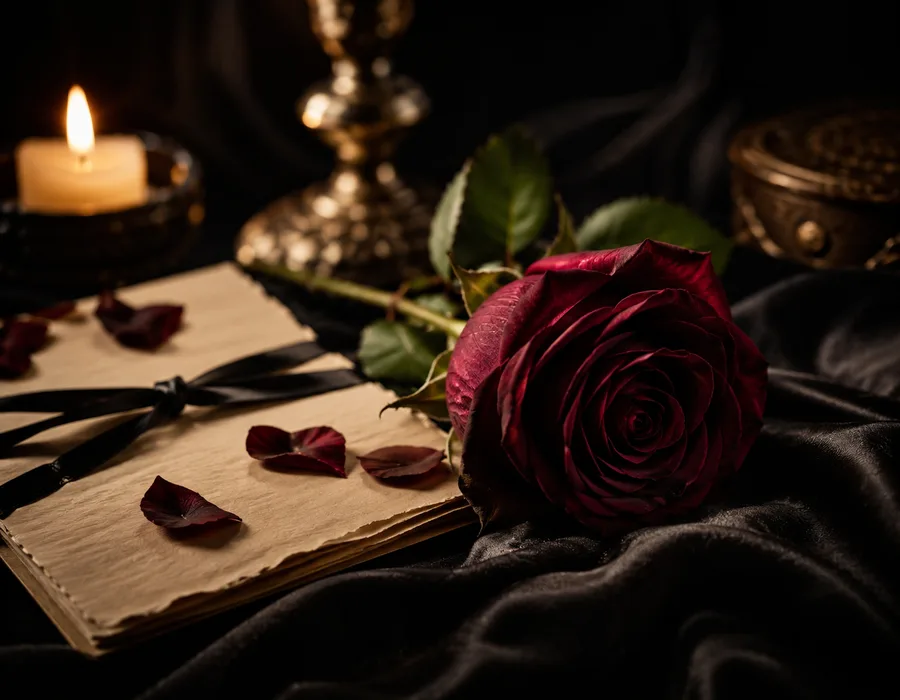
One of the strongest markers of literary dark romance is symbolic pressure. Objects carry emotional and narrative weight. In Trap of Desire, the Caravaggio anthology is not a prop. It is a hidden archive, a love letter, a confession, and a problem no one can fully solve.
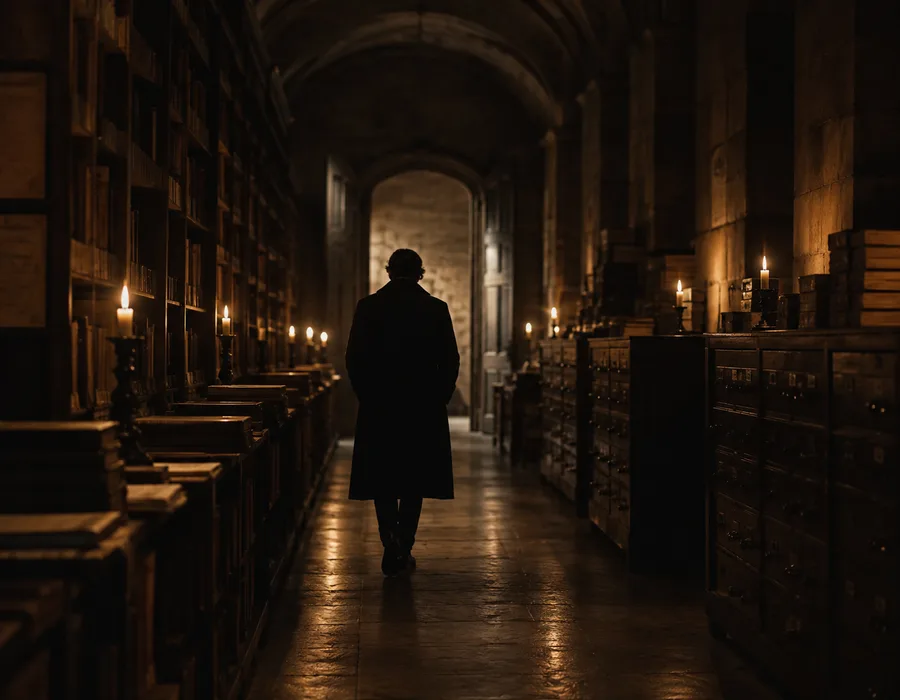
The same is true of locked rooms, restored canvases, letters, marginalia, private recordings, and manuscripts. These objects make the universe feel lived-in. They also give desire a place to hide when characters cannot speak plainly.
Moral Ambiguity Is Not an Excuse
Literary dark romance can include morally ambiguous characters, but it should not confuse ambiguity with emptiness. A character can be difficult, dangerous, obsessive, or withholding without becoming a cartoon. The difference is accountability. The story does not have to punish every choice, but it should understand every consequence.
That is why literary dark romance often feels heavier after the final page. The question runs past whether the characters end up together. It is whether they can live with what the relationship revealed.
Trope-Led Is Not Lesser
It is worth saying plainly, because this comparison invites snobbery and the snobbery is wrong.
A trope is a promise. A reader who picks up a captivity romance or an enemies-to-lovers book knows what emotional shape they are buying, and delivering that shape well is a real skill. Plenty of trope-led dark romance is sharper, funnier and braver than the literary version of the same story.
The difference is not quality. It is where the book spends its attention. One spends it on the shape of the promise. The other spends it on the interior of the person keeping it. Most readers want both at different times, and often in the same week.
How Each One Handles Time
Trope-led dark romance usually moves on event time. Something happens, the temperature rises, something else happens. The pleasure is in the escalation.
Literary dark romance often moves on attention time. A scene can be four pages long because a character noticed one thing and cannot stop looking at it. Nothing occurs, and the relationship changes anyway.
This is why the literary version can feel slow to a reader arriving from the other side, and why it rewards rereading. The second pass is where the withheld information becomes visible, because you finally know what to watch.
Where Trap of Desire Fits
Trap of Desire belongs to literary dark romance because the universe is built around psychological depth rather than attraction alone. Luna and Leonard are the center, while every companion expands the emotional map. Sophia turns absence into devotion. Margot turns knowledge into intimacy. James turns observation into a kind of restraint. Esmeralda turns truth into ritual.
The result is a story world where romance does not end with a couple. It extends into archives, conversations, hidden files, and a full reading order. Readers making that jump usually start with books like Haunting Adeline but written more literary.
Frequently Asked Questions
Is literary dark romance less intense than dark romance?
No. It can be just as intense. The difference is that the intensity is usually more psychological, atmospheric, and character-driven.
Does literary dark romance still have tropes?
Yes, but the tropes are usually subordinated to character and theme rather than driving the entire story alone.
Where should I start with Trap of Desire?
Start with Book 0, then read The Nine Companions Explained.
Enter the universe through the book, then follow the secrets into the archive.