The Companions - Enter the Story
Enter the Universe →
"This document should not exist.
That you are reading it suggests
the document disagrees."
The Masters of Shadow: Caravaggio and His Circle. Published Rome, 1887. Seventeenth century, two inches thick. It moved through several private collections before reaching an estate archive. Nobody thought to note what was inside it. Nobody thought there was anything to note.
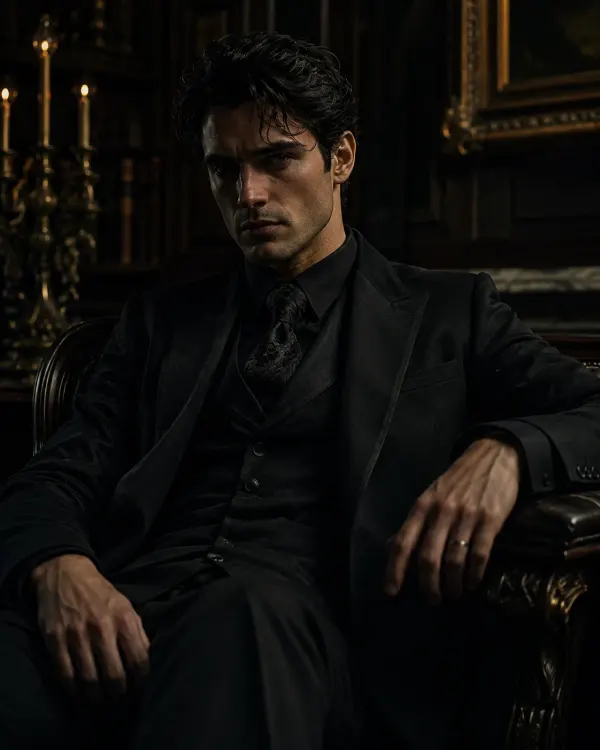
A literary salon in Prague, autumn. She notices him first. He pretends not to notice her at all. This, by all surviving accounts, is the beginning. By other accounts, this was already too late - the damage being of a kind that takes years to name.
47 days. No forwarding address. No explanation offered on return. She burned every letter before leaving - not from anger, those who knew her say, but from a kind of precision. Leonard knew where she was. She knows that he knew. Neither has spoken of it since.
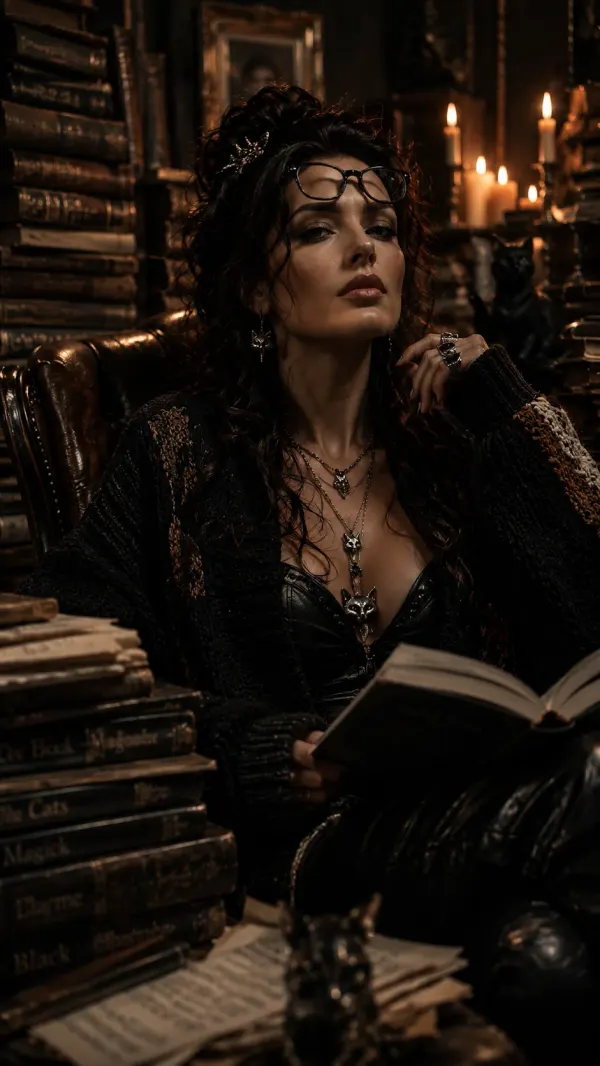
Her first published translation appears. She enters the literary world through the side door - as a translator, which is to say, as someone who lives in the space between what is said and what is meant. She meets Leonard at a reading. He is the kind of man she files under: interesting, possibly inconvenient. She is right on both counts.
His accent belongs to one country. His papers, to another. The woman who introduced him to the group was never seen again after that evening. This is considered a coincidence by those who prefer coincidences. The others say nothing.
Three confirmed witnesses. Zero confirmed statements. The only document surviving from this evening is a single annotated page from The Manuscript, found the following morning - written in a hand that matches none of the known parties. Victor has been in Sophia's orbit since. Nobody has formally asked why.
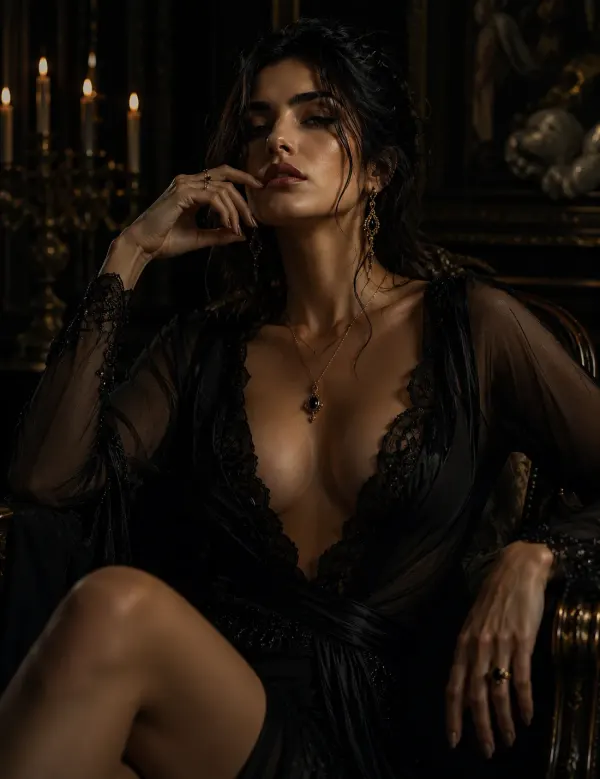
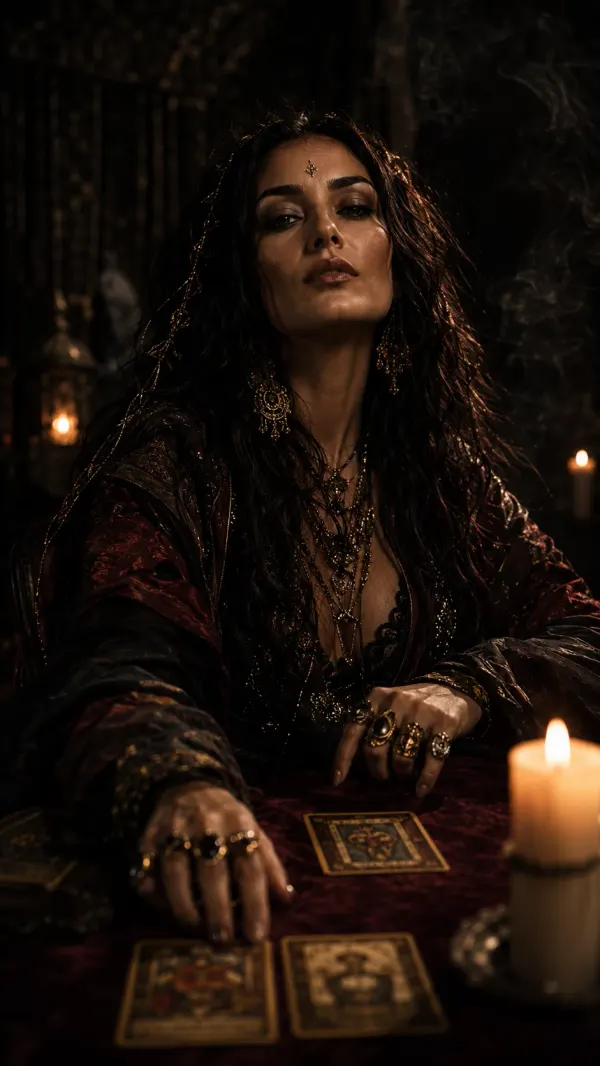
She arrived already knowing things she should not have known. That was noted. What was not noted in any official capacity - though it was discussed - is that she was right about all of them. Every single one. Esmeralda has offered no explanation for this. She is not asked twice.
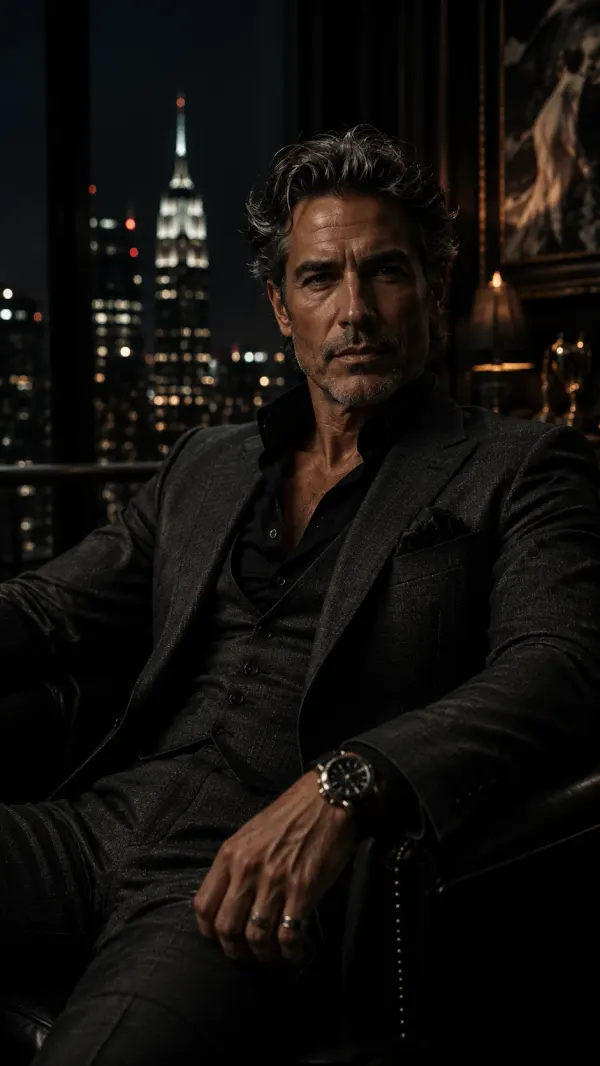
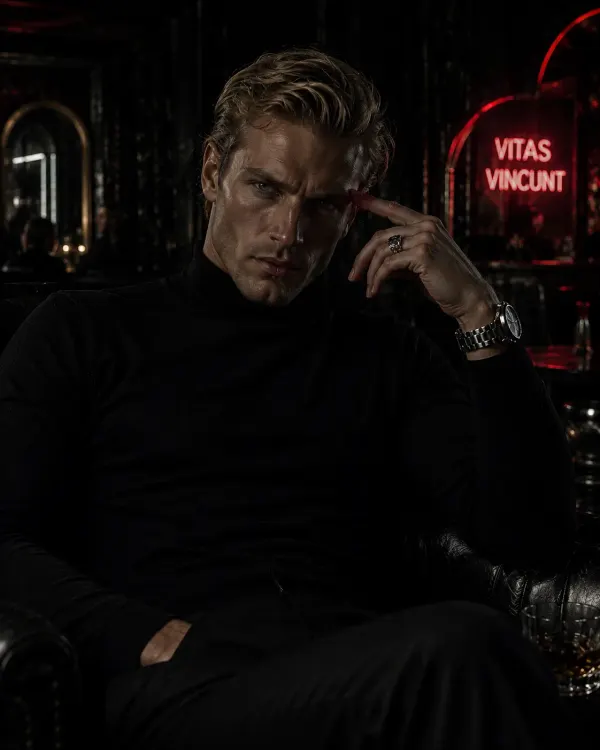
His first appearance in any verified record. There is no documentation of where he came from. Multiple attempts to establish his background have been described, by those who made them, as: inconclusive. James finds this amusing. He says so openly. That, too, has been noted.
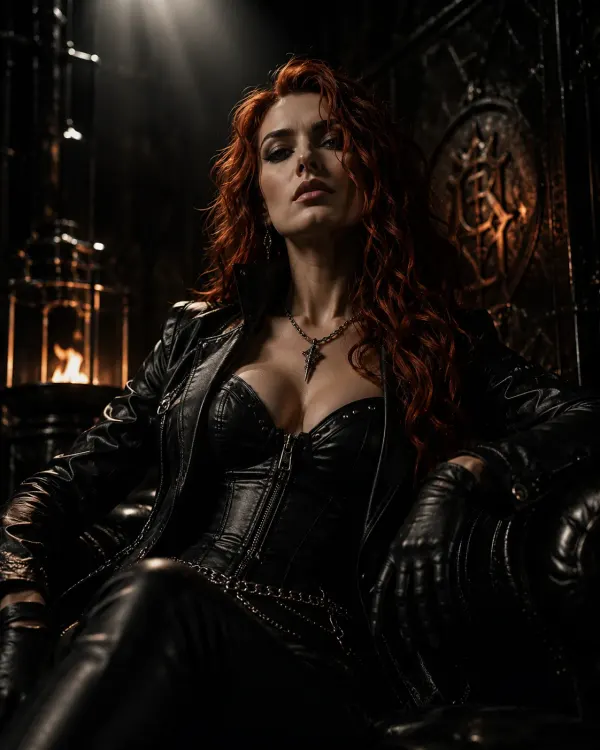
She appears in three separate, unrelated accounts across a twelve-month period. Then: silence. Those who knew her describe her as impossible to forget. Those who searched for her use different words - none of which appear in this document.
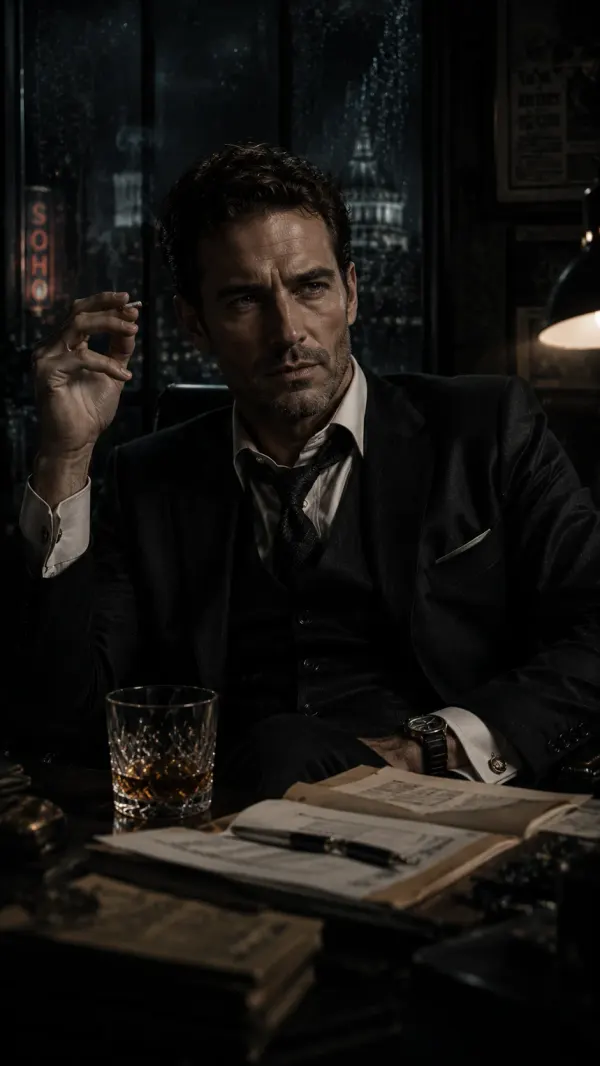
Four months. The apartment before this one. A period he does not revisit willingly. He writes a woman who presses her thumbnail into her palm when she is thinking. He borrows the gesture from someone real - a woman he has stopped allowing himself to think about. He does not finish it. He does not throw it away. He files it inside a book with the unconscious efficiency of a man trying not to think about something.
She comes to return a key. She finds 43 pages on the kitchen table. She reads them with the specific attention of someone who knows the writer very well and is therefore reading two texts simultaneously - the text itself, and the text underneath it. She reads the ending he could not write. She writes three pages. She leaves them inside the manuscript. She does not tell him.
Leonard clears a collection. A deceased colleague's library. He donates the Caravaggio anthology - The Masters of Shadow: Caravaggio and His Circle, Rome 1887 - without looking inside it. He has forgotten that inside it, between a footnote on lead white and the next full plate, he filed 43 pages of something he has been trying not to think about for a year. The anthology enters the archive system. It waits.
She sits in the back. Leonard speaks on a panel about the death of the literary novel. He says, about Caravaggio: "He didn't paint what light did to surfaces. He painted what light did to wounds." She writes it down. Not because it is new - because of how he says it. With the weight of someone quoting themselves from somewhere private. She notes his name under: people who are carrying something.
An opening. A small painting - seventeenth century, a woman at a window, nothing obviously remarkable. Everyone is walking past it. Luna is not walking past it. She looks at it with the specific stillness of someone who has found something and is deciding what to do with the finding. Margot stands next to her. "The light source is wrong," Luna says. Margot moves her name to a different category: people who don't know they are carrying something.
Esmeralda identifies the timing. The conditions are correct - not perfect, correct. She calls Margot. Margot calls a contact at the archive. The Caravaggio anthology - selected by Esmeralda from a collection of four hundred donated volumes - is redirected to a conservation studio in the older part of a city. Neither of them tells the other everything. Neither of them tells anyone what they did.
The anthology arrives on a Tuesday. She unwraps it with the patience of someone who has learned that rushing is how you cause the second damage. On page 247 - a footnote about the use of lead white in the Baroque period - she finds them. Forty-three handwritten pages, folded twice, slightly damp at the edges. She sets down her tools. She picks up the pages. She reads the first line standing up, gloves still on. By page twelve, she has taken her gloves off.
Heavy cream paper. Her name in the upper left corner. Studio address. Three drafts. The first too much. The second not enough. The third: "I found something that belongs to you. Or perhaps it doesn't - that's one of the things I'd like to discuss." She signs it with her first name only. She mails it on a Thursday morning. She does not expect a reply. She does not know what she has started.
He knocks three times. Even spacing. They talk for two hours. He does not look at his watch once. She asks why the woman in the manuscript works with damaged things. He says: "Because damage isn't the end of something. It's a different version of the beginning." She asks if that's what he believes or what the character believes. He does not answer immediately. "Would you like the pages back?" she says. He looks at the anthology. "No," he says. "I don't think I would."
A book. Inside: "For the woman who reads the last page first. And stayed anyway." Six words he spent four months writing. He says: "I don't want to leave another book. I want to stay. In the room. Not in a book left in the room. In the room." She presses her thumbnail into her palm. He watches her do it. She says: "Stay." He says: "Yes." He stays.
You are reading this. That means you found it. This was not an accident. The archive does not open for everyone - only for those who were already looking. The question now is what you intend to do with what you know.
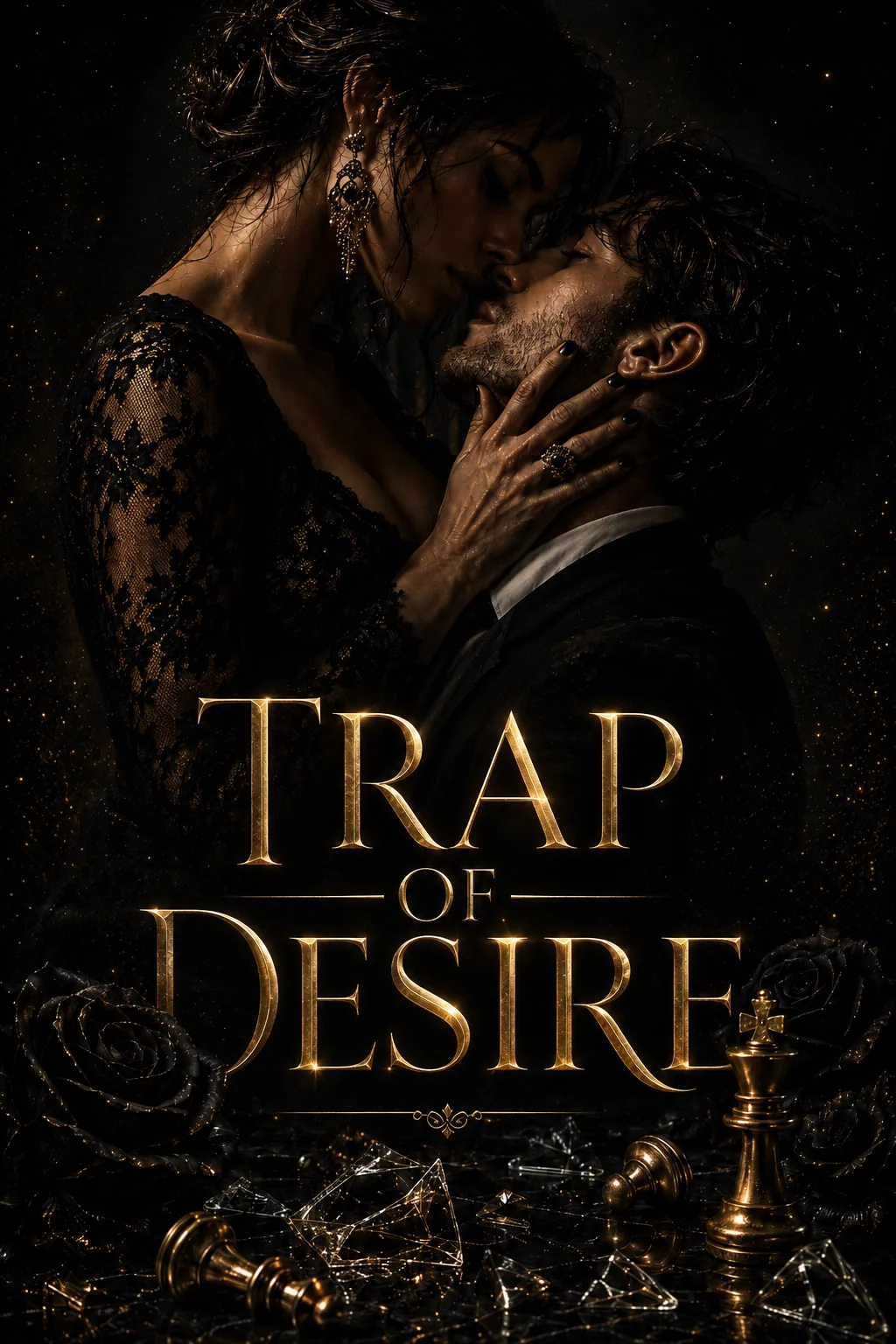
The whole of Book 0, narrated. Two hours and fourteen minutes, from the Caravaggio anthology to the last of the forty-three pages.
✦ Chapter One, free, right here ✦
AI-narrated. One payment, files you download and keep.